

Signs Your Elderly Loved One Might Need Full-Time Care
Won’t it be wonderful to see our elderly loved ones in full health and vigour! We can’t wait for that joyous time, but until then, the realities of aging and of care must be addressed.
Most families would hope to care for their elderly loved ones at home since that's where they are most comfortable. They want to do it as long as they possibly can, and often, this arrangement works well. But there is a point at which the amount of care a loved one requires exceeds what a family can provide.
When do you know if they need full-time care? What will help you make that decision?
When you consider full-time care for a loved one, the process isn't simple. You want to make sure that your parents receive the same care that you give them at home, care rooted in love, respect, and spiritual values. This makes it more than just a practical decision. It's an emotional and spiritual one too.
We at Jah-Jireh see this struggle and understand it. That’s why we thought we could put together some research to help you make that decision.
Noticing the Early Signs
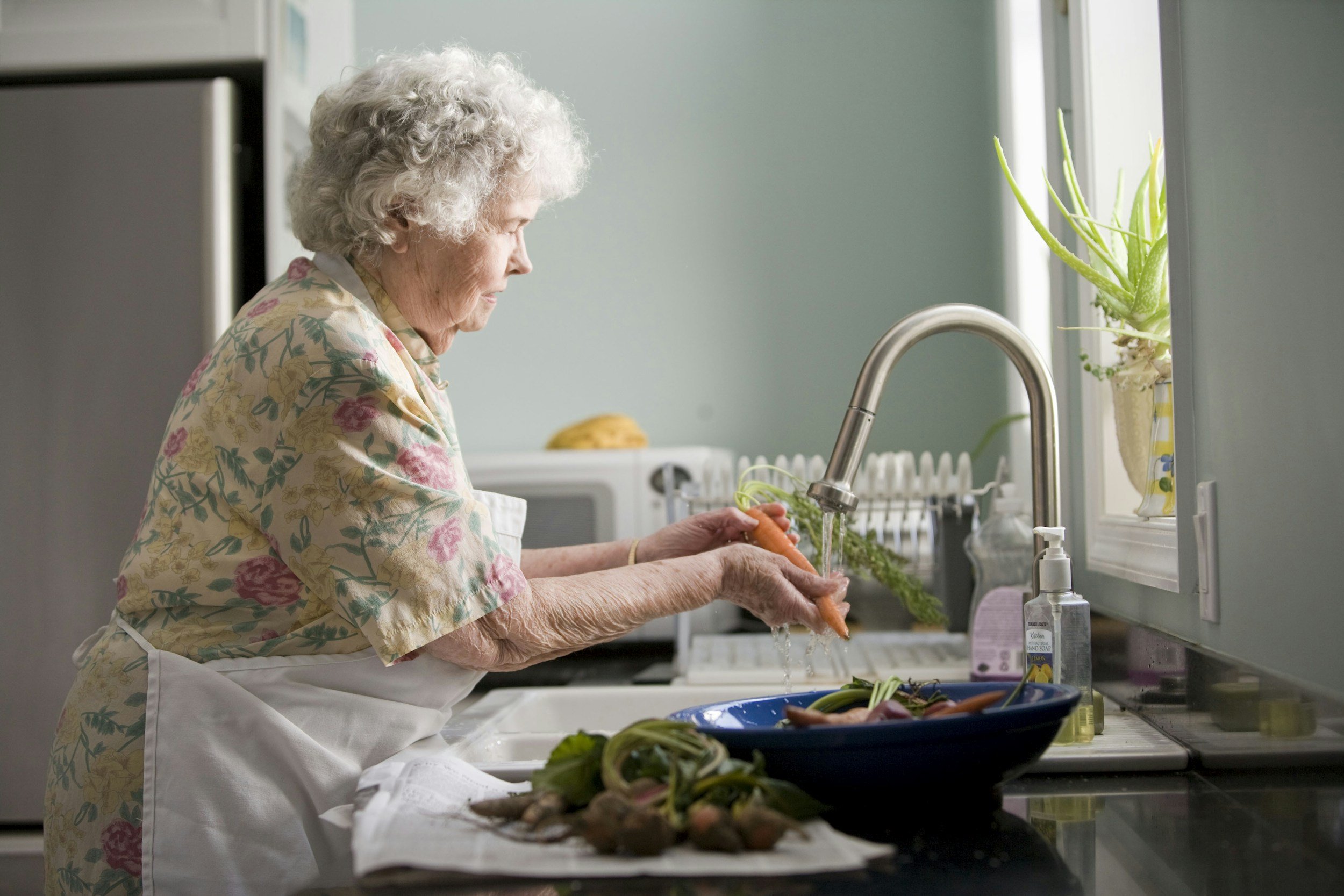
According to Statistics Canada, 38% of Canadians aged 85 and older receive help with everyday activities such as meal preparation, housework, and personal care.
As needs increase, families often realize that occasional help may no longer be enough.
The signs that your elderly loved one might need more support show up gradually. Some of the signs to look for include:
1) Struggling with the basics of daily life
You may realize that a loved one is having difficulty with day-to-day activities that might once have been considered simple. Things like bathing, dressing, cooking a meal, or taking medication may be a little more challenging.
You can pitch in from time to time, but if that assistance is needed on a daily basis, it’s a sign that more constant care is warranted.
2) Challenges with Physical Health
Physical changes are another important clue. They might struggle to walk or frequently fall, which can make living independently unsafe.
The Public Health Agency of Canada reports that falls are the leading cause of injury-related hospitalizations among Canadian seniors, and that 20% to 30% of seniors experience at least one fall every year.
However well-meaning we are, a private home may not be adequately prepared to confront these challenges.
3) Hygiene
Personal hygiene is necessary in our daily lives. If you see hygiene being neglected or the house getting messier than usual, it’s more likely a sign of physical fatigue or mental decline than a lifestyle choice.
A Canadian study found that 26.8% of seniors required assistance with daily activities. The study also noted that house cleaning, house maintenance, and outdoor work were among the areas with the highest levels of unmet needs.
Dealing With Feelings of Guilt
Caring for our elderly parents is an honor and a duty, but sometimes they might need care that we are not able to provide on our own as children. An Awake article on caregiving beautifully discusses the guilt we might feel as children, but also provides caution:
Even persons who are doing all they can and should for their parents sometimes feel guilty about not doing more. Inappropriate guilt, however, can be a problem. You can find yourself making decisions that are designed to relieve your guilt but are not necessarily in the best interests of you or your parents. For example, what would happen if, to alleviate her feelings of inappropriate guilt, a woman became absorbed in caregiving to the neglect of her own husband and children? She, her husband, and her children would suffer the consequences. So do not let inappropriate guilt control your life.
It is not a failure to choose additional support or even full-time care for your elderly family members. In many cases, it's the most responsible and loving decision you can make.
Thinking Through the Options
Families can consider two main paths to caregiving.
1) In-home care
When it comes to in-home care, relatives can employ a caregiver to look after an aging relative. Family members can share the duty too, if they are able. The greatest benefit of in-home care is that your elderly family member remains in the comfort of their own home, with people they love and trust. But this will take time, cooperation among family members, and some financial resources.
2) Full-time Residential Care
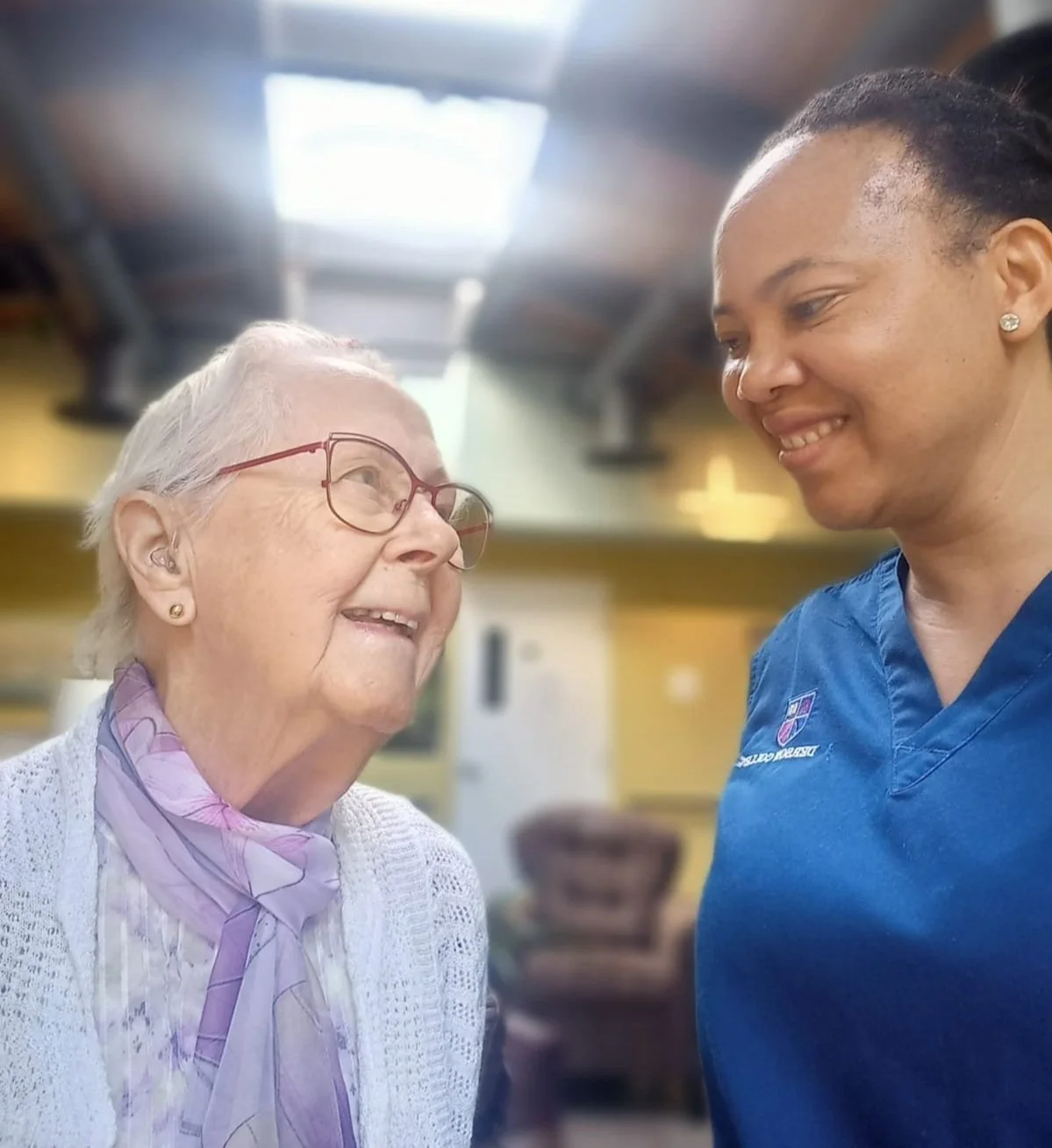
Full-time residential care involves being placed in a residential facility that looks after the needs of the elderly around the clock. That means taking care of their essential day-to-day needs such as bathing, cleaning, meals, medical monitoring, and recreational pursuits. At least initially, they might seem less intimate, but they provide a sense of security and routine that may be hard to replicate at home.
This is why we make it a priority at Jah-Jireh to make our elderly ones feel at home. With their spiritual brothers and sisters around them, and families coming to visit them, they will not be left alone.
The best option for you will depend on your loved one's needs and what you and your family can handle.
Making a Balanced Decision
At the heart of it, this decision is very personal. It will be difficult to make, but with prayerful consideration, you can make the best choice for your family.
When you watch for signs, are honest about your limits, and have open family communication, you can make a decision that honours your loved one's dignity and keeps them safe. And whatever you decide, your ongoing involvement, support, and love are what will always matter most.
We at Jah-Jireh will be happy to discuss your options with you if full-time care is something that you are considering. Reach out to us.
Here’s a glimpse of our home:
